
Ethics and ESG Reporting: Developments for 2024 and Beyond

Last week, I had the pleasure of speaking about Ethics and ESG reporting at the PRSA International Conference with my esteemed colleague, Quentin Langley.

While I have been living in an AI ethics world for the past year, it is good to take a step back and look at the sea change that is occurring in Environmental, Social and Governance (ESG) reporting. As Erica Salmon Byrne, CEO of Ethisphere, said in my interview with her on EthicalVoices – “ It bothers me tremendously that it’s become politicized because at the end of the day, what ESG is your material non-financial risk factors, and I don’t understand why caring about your material non-financial risk factors is such a big deal.”

But that is a whole other discussion. The fundamental shifts in ESG are the significantly increased reporting requirements in Europe (and to an extent in California) by 2025. Any company that does business in Europe should pay attention – for the rules they are a-changing. Even in the U.S., businesses must start reporting on CO2 emissions, net-zero goals, transition plans and climate-related operational risks.

Today when it comes to ESG reporting, many businesses think of the UN’s 17 Sustainable Development Goals for the “E”. But with the new European Sustainability Reporting Standards (ESRS), 1,100 new data points will soon be required. These requirements will include everything from waste recycling ratios and water withdrawal totals, to day care services, training costs, turnover, and renumeration packages and shareholder votes on executive pay. This will impact more than 50,000 companies.

While the reporting itself will require a much greater investment of time and resources, what is really chilling is how many companies are likely to try to get around it. A 2022 Global Integrity Report from EY found that 18% of board members said they would mislead auditors and regulators and 15% would falsify financial records. The study also found 42% of green claims made online are exaggerated, false or deceptive. That means that we, as communicators, need to push deeper and get to the bottom of any claim.

How do we do that:

  1. Become as familiar with the new reporting requirements as compliance and legal executives are. Not only will this help protect the brand, it will give you key content to share with stakeholders (or incorporate into your tough FAQs).
  2. Remember that ESG is about much more than compliance. We need to make sure our brands tell the truth and not use a mass of data to hide issues.

Some other key takeaways include:

  1. EU law will require guarantees for an organization’s supply chain. This may cause issues for those doing work in countries with a long history of human rights abuse.
  2. There is increasing skepticism around SG claims. A recent study from Workovia found 90% of investors are skeptical of organizations’ ESG claims. A study from UL went even higher – concluding that 95% of eco-friendly claims are based on irrelevant, weak or non-existent data. Make sure you understand how the claims are made and have the data to back them up.
  3. With 1,100 data points to report, it is likely even the best organizations will not be doing the best in all of them. Find out where you can improve and integrate that into your crisis response plans.

ESG is evolving and strategic communications professionals need to evolve our understanding along with it to protect our organizations’ reputations and integrity. The road ahead will be more complex, but by asking the right questions and collaborating with legal and compliance, we will be best prepared to help organizations accelerate their commitments, and lead with integrity and purpose.

3 Key Takeaways from the ENERGY STAR Partner Meeting

In pre-COVID times, September was the month that ENERGY STAR Partners would gather together with EPA to discuss new technologies, initiatives, insights and campaigns aimed at creating a more sustainable energy future.  And while virtual meetings have been held in recent years, it wasn’t quite the same. The energy efficiency community was hankering for the chance to get together again, and it finally happened last week.

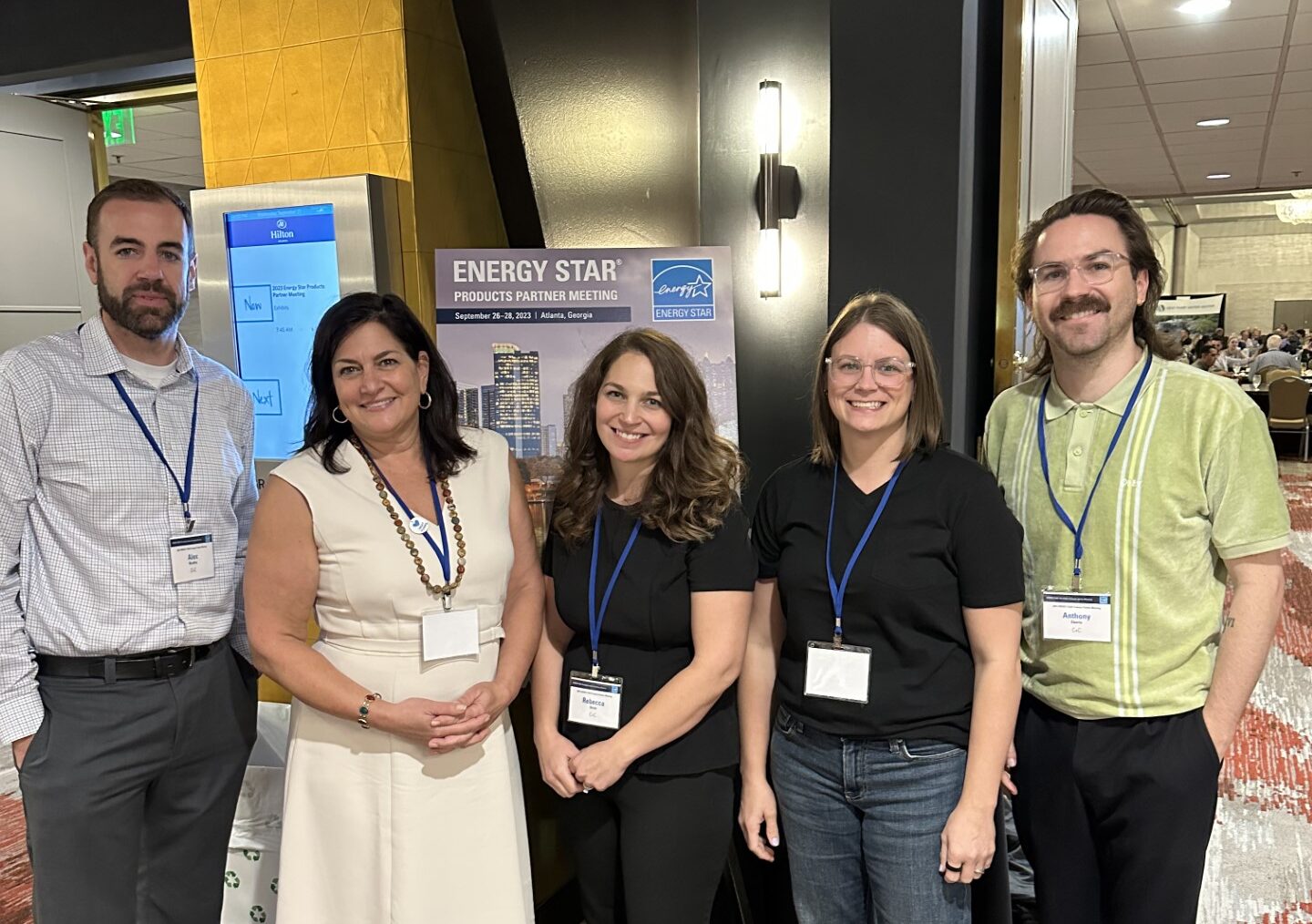
From September 25 -28, hundreds of utilities, manufacturers, retailers, government representatives and consultants gathered together in Atlanta for the first post-pandemic ENERGY STAR Partner meeting.  This tight-knit community has a long history of coming together to strategize for the future, collaborate on solutions and celebrate success.  And while these events have always been exciting, this year was exceptionally so.

Why? Meet my friend, IRA. The Inflation Reduction Act is a game changer, providing billions of dollars in rebates and tax incentives to spur the transition to clean electric technologies.  It’s the single most powerful tool in the clean energy arsenal.  Currently, state energy offices are building the infrastructure to channel billions of dollars into the market to accelerate energy upgrades in homes and buildings, transform the grid for renewable energy distribution, and develop a skilled workforce to help us move from fossil fuels and into the clean energy future.

It’s a new era of market transformation- but that is something the energy efficiency industry knows a lot about.  Over the past 20 years, we have effectively transformed the market for energy efficient lighting and appliances.  Now, we must focus on the biggest opportunities ahead.  This includes clean heating and cooling, electrified transportation, and broader adoption of renewable energy.

Last week’s gathering showed the industry is ready to rise to the challenge.  State energy offices are setting up programs to bring IRA incentives to market. Retailers and manufacturers are getting ready to fill increased customer demand for energy efficient, heat pump HVAC and water heaters and other clean electric technologies.  Utilities and energy efficiency programs are gearing up for perhaps their biggest market transformation, yet.  And ENERGY STAR is leading the way with consumer insights, campaigns and resources to build awareness and drive action.

Three big themes dominated the conference:

1. Heat Pumps, with Side of Heat Pumps

Energy efficiency portfolios are evolving, and heat pumps are taking center stage, bringing with them a slew of challenges and opportunities.  Heat pump powered HVAC equipment and water heaters are a critical step toward decarbonization, and they bring myriad benefits like lower energy bills, cleaner air, healthier homes and cutting our reliance on fossil fuels.  But transforming this market will be challenging.  According to research conducted by C+C’s Market Intelligence team, consumers are interested in heat pump technology, but have concerns about cost, reliability, and return on investment in markets where electricity costs are higher than other fuels, such as natural gas and propane.  What’s more, consumers don’t typically replace these systems until their current system fails, or at least is near the end of life.  Spurring proactive replacements will be key to success, as will engaging and educating contractors to promote, sell and install them.  IRA incentives will help move both consumers and contractors to action, but as an industry, we must work together to demystify the technology. Gregg Holladay from Bradford White made an interesting point –heat pumps are a proven technology, used successfully for decades in air conditioners, refrigerators, freezers, and dehumidifiers.  Reminding audiences of that fact is important in building trust and acceptance.  My colleague Trevor Rasmussen led a workshop to better understand the customer journey and key motivators and barriers surrounding the adoption of heat pump water heaters. This will help us design messaging and interventions that spur proactive upgrades to clean electric products as we move forward.

2. Achieving Equity with Trust

Energy Equity is core to IRA’s mission. It provides billions of dollars in energy incentives earmarked to help Low to Moderate Income households transition to energy-saving, clean electric home upgrades.  But effectively engaging low-income consumers presents unique challenges.  My colleague Rebecca Strott shared insights from a research study we completed for EPA – that found the typical energy efficiency marketing “hook” of rebates is not as resonant with this audience.  Rebates means getting money after one has already made the upfront investment, which is a barrier to many low-income consumers.  What’s more, trust in rebates and the entities who issue them are lowest among this audience. Building trust, communicating through trusted, local channels, and finding ways to bridge upfront costs and financial incentives will be key to helping achieve energy equity.

3. Marketing Matters

Engaging consumers in the transition to clean energy is going to be a BIG job.  The next wave of upgrades is cost and labor intensive.  However, C+C’s research shows us that people are optimistic about the clean energy future, and they want to be a part of it. They want to understand and lessen their impact on the climate and are motivated to action by messaging highlighting saving energy and creating healthier, more comfortable homes.  They also have a lot of questions we need to answer.

At the conference, I presented ENERGY STAR’s strategy to harness consumer interest in clean energy.:

  1. Launch an aspirational outreach campaign to inspire and engage consumers.
  2. Educate the public about new technologies and resources to create receptivity.
  3. Drive adoption of specific products through targeted marketing and incentives.

This three-fold approach is key to leveraging consumer interest and enthusiasm, building trust in new technologies by answering questions and concerns, and driving the action required to meet our clean energy goals.

As the energy efficiency industry has proven time and time again, it takes a village to transform markets.  But we’ve done it before, and we will rise to the challenge again.  Armed with strategic consumer insights, unprecedented financial assistance and expertise and collaboration of key market actors, we can accelerate the clean energy future and create a more sustainable world.

I look forward to working with my clients, colleagues and other interested parties to make it happen.

Ready, Set, CES: 7 Steps to Take Now to Drive Awareness for your Company at CES2024

There’s finally a chill in the morning air. PSLs and football are back, people are beginning to think about Halloween costumes (Barbie or The Bear?), and maybe even looking forward to the holidays.

Unless you work in tech PR. We’re thinking about how to kick PR planning for CES 2024 into high gear.

CES 2023 was coming back to pre-Covid attendance levels and this year the show is expected to be even bigger.

As one of the largest tradeshows in the world, CES is noisy with news, but it’s still a great opportunity to meet with reporters following your industry to build and strengthen relationships while garnering some coverage. Even if you’re not exhibiting, there’s ways to get some attention.

I have been working with companies at CES for years, and last year had the pleasure of working with a CES Innovation Award Winner – Xplora.  Following are some things to start doing now so you’re ready to make the most out of the big show in January:

Consider a Pre-CES Media Showcase – There are two media events in the two days before the exhibit hall’s opening. While not officially part of CES, Pepcom and ShowStoppers attract hundreds of media looking to connect with cool companies like yours. These smaller venues can provide a more affordable way to get in front of reporters and editors if a CES booth is out of budget. Just note that they are open to the media only, and not the place to meet with current and prospective partners and customers.

Make Space – Even if you aren’t exhibiting at the show or a pre-show event, you can still set up meetings with reporters—just don’t expect them to leave the show floor to get to you. Meeting outside the press room for walk and talks can be great, and there may also be spaces available to book for no cost in the exhibit halls (ask me how I know 😉).

Begin Building Your Media List – Almost 5,000 media attended last year’s show, and by the time CEA makes the media list available for 2024, most top tier reporters will already have full schedules. If you have last year’s media list, start working off that, or look at who covered your space last year and be prepared to start outreach in November or sooner if you have relationships. Reporters typically set aside specific days for visiting the show’s various exhibit halls, so you want to get to them early before their day in your area books up.

Think Twice About Launch Timing – While your execs may love the idea of going big and launching something new, unless you work for a Fortune 500 company or are an Innovation Award Winner, think twice about making announcements during the show. If you do have something newsworthy, consider announcing it in mid-November or early December. You’ll get that opportunity for an initial wave of coverage and still be able to use the newness to attract attention in Las Vegas.

Table the Tchotchkes – Sustainability is once again a theme of the show, leading many companies to move away from handing out tchotchkes. The same goes for brochures and other written material and even the once popular thumb drives in favor of providing press kits in the cloud. It’s less waste and less for reporters (and you!) to lug around in the Vegas heat.

Set Expectations – “Success” from a media perspective can vary widely at CES, so it’s important to set expectations with leadership now. It’s unlikely your company will secure hundreds of media placements during the show. Most reporters aren’t there to write feature stories, they’re trying to see and write about as many cool things as possible. It’s far more realistic to expect to secure a few solid placements in roundup articles and focus on arranging a handful of relationship-building conversations for your execs with key reporters.

Prepare Yourself – CES is equal parts exhilarating and exhausting so don’t forget to take care of yourself. If you’re responsible for making your own or your team’s hotel arrangements – do it now before rooms start to sell out and you end up way off the Strip. Buy those comfortable shoes or sneakers or add them to your holiday gift list. Getting around at the show is no joke and no time for shoes you can’t stand or walk in for 16 hours a day.

Planning for and executing a successful CES is generally too much for just one or two PR folks to handle. C+C team members have been doing it for almost two decades.  If you need help, I’ve got my comfy shoes ready to go.

What other tips do you have for maximizing CES?