
Tapping into Values to Promote Behavior Change
Marketers are usually trained to sell products and services. They learn to position features, frame benefits and speak to how people want to be seen based on their material choices. But it gets tricky when there is no product to sell or when we are tasked to challenge people’s assumptions of things like composting, speeding or using less energy. So, what are we really selling? We’re not just selling a behavior. We’re selling values and beliefs about the kind of person someone is or wants to be. This is, of course, beyond their material consumption choices.
For example:
Composting food waste
Example audience: People who think they are generally responsible but aren’t sure composting really matters.
How can we make it relevant? By tapping into their sense of integrity and personal responsibility and the idea that they can follow through on the things that matter—even if they’re small.
Reducing speed
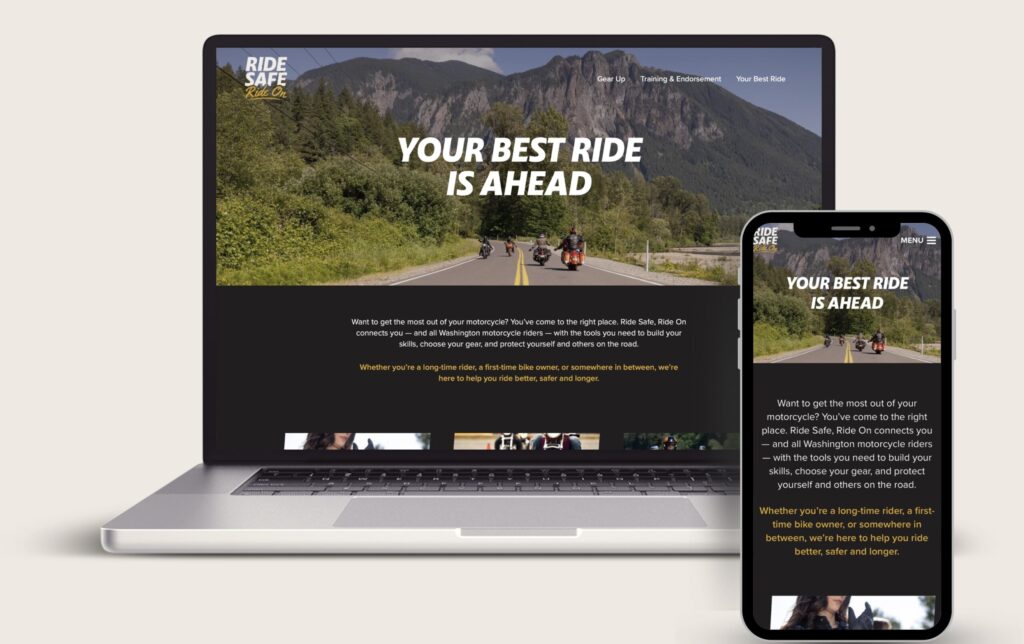
Example audience: People who speed, know it’s risky but tell themselves it’s no big deal, and do it anyway.
How can we make it relevant? Perhaps by tapping into their sense of self-control and composure and the idea that they can make intentional choices even when it’s tempting not to.
Being energy efficient

Example audience: People who are somewhat worried about the planet and the impact of their carbon footprint, but don’t think their daily use makes much of a difference.
How can we make it relevant? Perhaps by tapping into their sense of moderation or respect for shared resources and the idea that they are the type of person who is ok with only using what they need when they need.
These behaviors are just the surface, and of course, these are hypothetical examples.
But what we’re really tapping into is values. However, the values have to be relevant. When values are too broad— “do good,” “protect your community,” “make a difference”—they lose meaning. You can challenge people’s assumptions when a message affirms something they already believe about themselves. Values need to feel personal, not performative. Grounded, not generic.
So how do we get there? Ask more questions & interpret more.
Start by asking: What do we want people to do? What behavior change do we want them to make?
AND PAIR IT WITH:
- What kind of person does this behavior align with? But go deep, don’t just say “because people care”.
- What value does that person already hold?
- How can our message reflect that back to them?