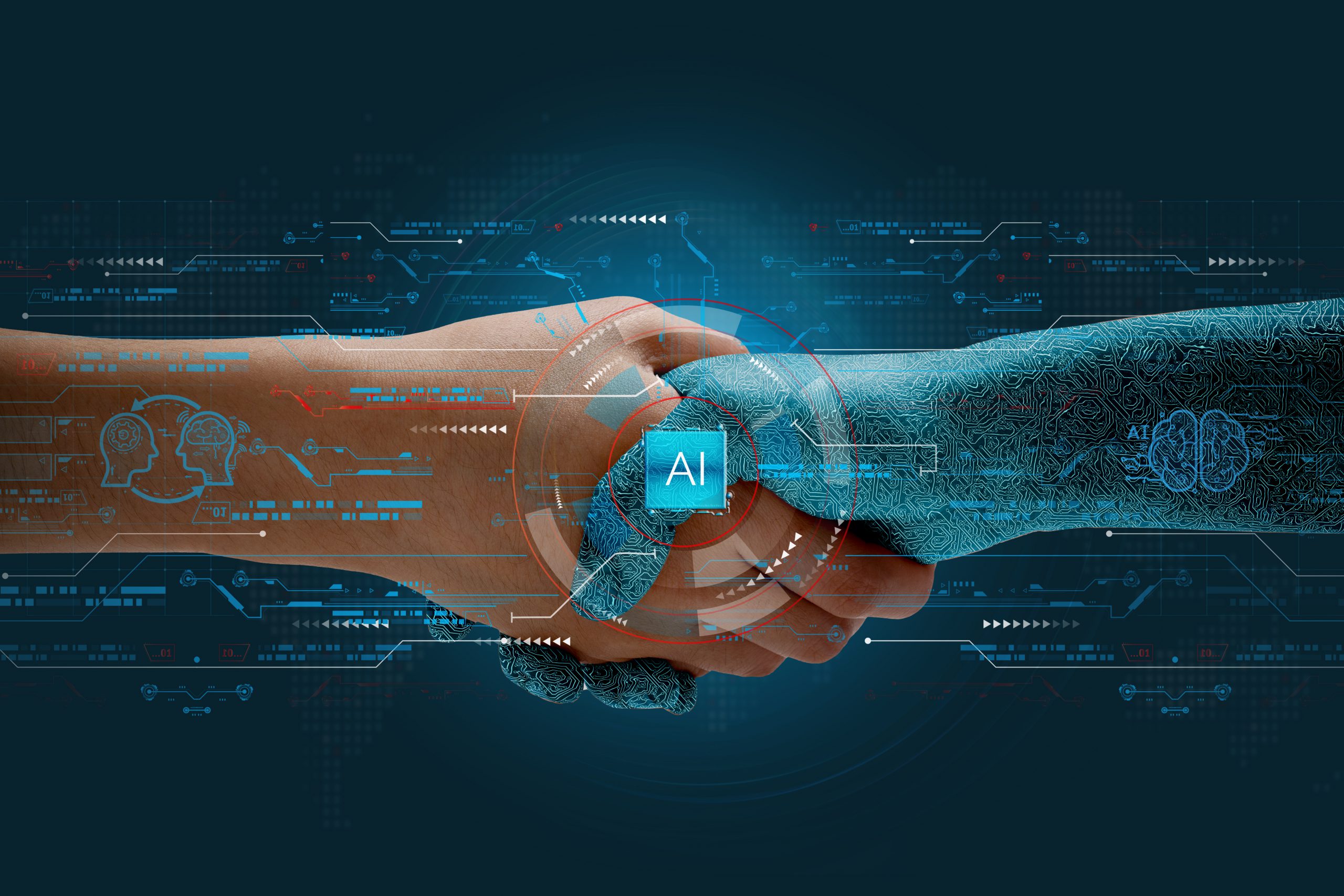

AI agents represent a meaningful shift in how public relations work is performed. They offer clear benefits with the ability to act independently at scale, simulate human identity or intent, and adapt messaging in real time without direct human approval. But they also introduce risks that cannot be ignored.
When software begins acting autonomously on behalf of organizations, two questions become unavoidable: Who is accountable? How do we ensure transparency?
The very capabilities that make AI agents valuable also create new risks. If an AI agent spreads false information during a crisis, who is accountable? If a network of AI agents creates thousands of seemingly authentic online conversations that influence public
opinion, who owns those actions? If an AI system learns that outrage and fear generate more engagement and begins optimizing for those emotions, who decides when it has crossed an ethical line?
The answer cannot be “the algorithm.”
I love AI and its potential. But artificial intelligence is not an ethical actor. It has no moral judgment, no professional obligations, and no reputation to protect.
People do.
It is our duty as communications professionals to apply that judgment to the agents we deploy.
This week, the Public Relations Society of America (PRSA) released its first Ethics Standards Advisory (ESA #22) in five years: AI Agents in Public Relations. I had the pleasure of serving as lead author, working with PRSA’s Board of Ethics and Professional Standards and a great team to turn the PRSA Code of Ethics into real guidance for an agentic world.
This is not a hypothetical concern. A few numbers that stuck with me while we worked on this: Gartner predicts that by 2028, a third of enterprise software will include agentic AI. This is up from less than 1% in 2024. A 2025 Muck Rack survey found 59% of PR practitioners say AI and automation will grow in importance for their work over the next five years.
Agents are already showing up in our work as chatbots and virtual spokespeople, autonomous content generation for releases and crisis narratives, for media monitoring and sentiment analysis, automated engagement and response, and strategic decision-support tools like message stress-testing and synthetic audience modeling. As these systems move from task-level work into operational and even executive functions, it can become genuinely difficult, even inside our own organizations, to explain why a message was sent, how an audience was targeted, or what data drove a decision.
The ESA calls out several risks that are new to this moment: unclear authorship, when agents act or respond without an identifiable human behind them; manipulative persuasion, when agents learn which emotional triggers or vulnerabilities improve response rates; simulated engagement, when agents imitate empathy or consensus convincingly enough to pass as authentic human interaction; and coordinated multi-agent influence, when networks of agents divide tasks like monitoring, targeting, and escalation in ways that make an orchestrated campaign look organic.
Six things to do before you deploy an AI agent
- Be transparent. Disclose the use of AI agents when it materially affects communication, particularly in direct interactions with stakeholders.
- Maintain human oversight. Establish “human-in-the-loop” governance for every AI agent output and decision, and always independently verify AI-generated information before it goes out the door.
- Monitor for bias and fairness. Evaluate AI outputs for bias and discrimination on an ongoing basis, not just at launch.
- Avoid deceptive practices. Never use AI agents to impersonate individuals, simulate consensus, or conceal sponsorship.
- Build AI literacy and governance. Invest in continuous training so teams understand both the capabilities and limitations of AI tools, and establish clear policies between agencies, partners, and clients around acceptable use and oversight.
- Assess and mitigate security risks. AI agents are rapidly expanding beyond cloud-based tools to operate directly on desktops and within organizational networks, where they may access sensitive files, execute commands, interact with internal applications, or transmit data externally. Before deploying any desktop or network- level agent, loop in your IT and security teams for a thorough risk assessment.
These questions do not slow down innovation. They make it more sustainable. They help organizations gain the benefits of AI while protecting the trust that makes communication effective in the first place. It provides a framework for integrating AI agents responsibly before habits harden and expectations are set.
Check out the full advisory here.
Let me know what you think. And if you’d like to talk through what this means for your organization’s own AI governance, I’m happy to do that.